


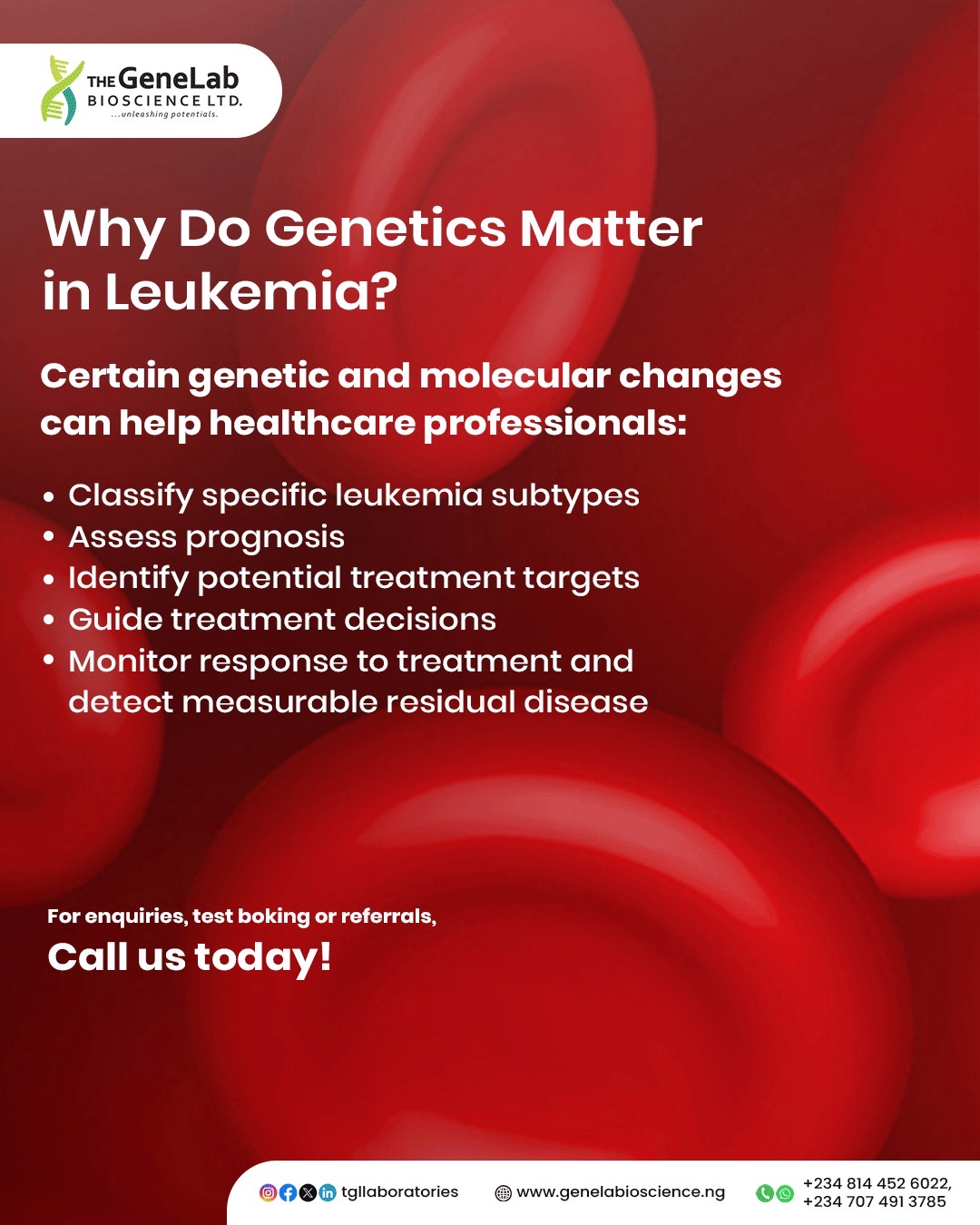
The biology of leukaemia extends beyond changes in the DNA sequence itself.
When people hear the word cancer, they immediately think of cancers affecting organs such as the breast, prostate, lungs or colon. However, cancer can also begin in the cells responsible for producing blood. Leukaemia is one of the major types of blood cancer and it affects the blood-forming tissues.
Unlike many solid tumours that form a visible mass, Leukaemia develops in the blood forming tissues, particularly the bone marrow where abnormal blood cells are produced and accumulate. These abnormal cells can interfere with the production and normal function of healthy red blood cells, white blood cells and platelets.
This can affect the body’s ability to carry oxygen, fight infections and control bleeding. As a result, leukaemia is both a disease of the blood and a condition in which laboratory diagnosis plays an important role in identifying and characterising the disease.
Understanding The Types And Characteristics of Leukaemia.
Leukaemias are commonly classified according to the type of blood cell involved and how quickly the disease develops. Acute leukaemias generally develop rapidly and require prompt medical attention, while chronic leukaemias develop more slowly. The four major types include:
- Acute lymphoblastic leukaemia (ALL): The most common type of leukaemia in children. It can spread to the lymph nodes and central nervous system.
- Acute myeloid leukaemia (AML): This is the second most common form of childhood leukemia and one of the most common forms for adults.
- Chronic lymphocytic leukaemia (CLL): This is the other most common form of leukaemia in adults. It develops from abnormal myeloid cells.
- Chronic myeloid leukaemia (CML): This is a rare type of leukaemia that affects the bone marrow and leads to the production of abnormal myeloid cells.
The distinction is important because two people diagnosed with leukaemia may have very different diseases, biological characteristics and treatment considerations.
Some Factors Behind Leukaemia Risk.
In many cases, there is no single reason why an individual develops leukaemia. Several factors have been associated with an increased risk of certain types of leukaemia. These include:
- Increasing age
- Exposure to high levels of radiation
- Smoking
- Previous cancer treatment with certain chemotherapy drugs
- Family history of certain blood cancers
The relevance of each factor depends on the specific type of leukaemia. Having a risk factor does not mean that someone will develop leukaemia and some people develop the disease without an identifiable risk factor.
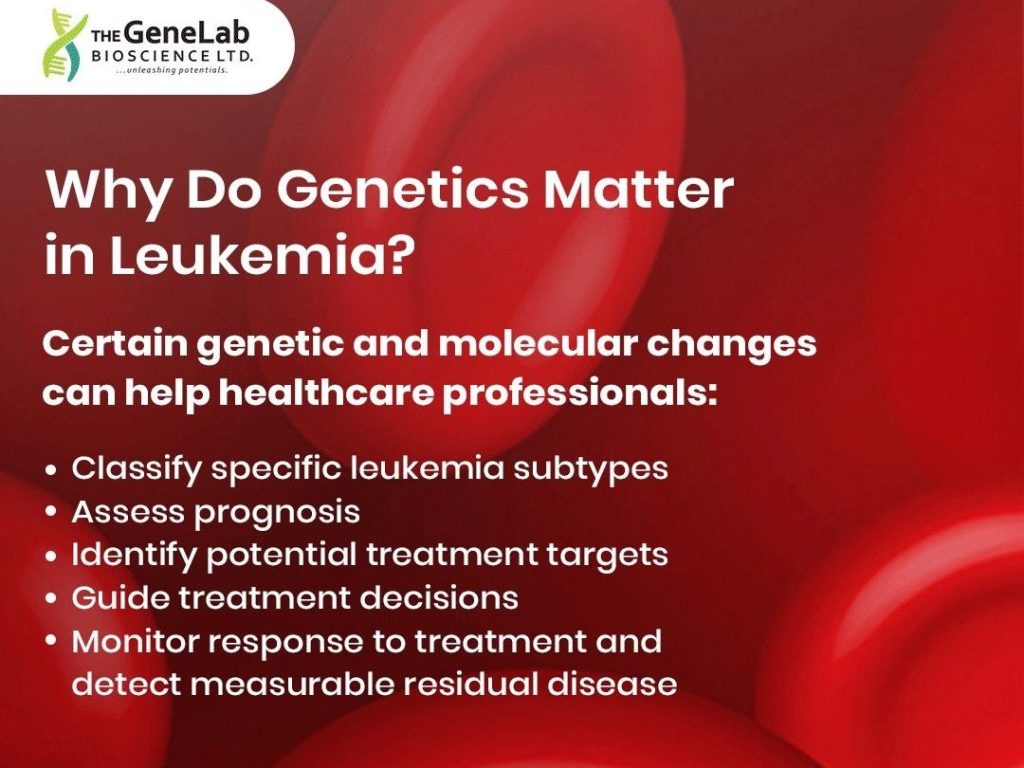
Precision Through Molecular Diagnostics and Epigenetic Investigation.
To improve awareness, promote prevention and facilitate the early detection of hepatitis among market traders, men, women, Molecular diagnosis investigations can identify specific gene mutations, gene fusions and chromosomal abnormalities that support leukaemia classification, provide prognostic information and in some cases, help guide treatment decisions.
However, the biology of leukaemia extends beyond changes in the DNA sequence itself. Epigenetic changes can influence how genes are switched on or off without changing the underlying genetic code. One important epigenetic mechanism is DNA methylation, in which chemical modifications to DNA can alter gene expression and may contribute to the development and progression of leukaemia.
As part of our molecular investigations at The GeneLab Bioscience, we performed DNA methylation analysis to examine epigenetic patterns in a patient sample. This work provided an additional layer of molecular information, complementing genetic investigations and contributing to a broader understanding of the biological features associated with the blood cancer. For more information or enquiries,Contact us.
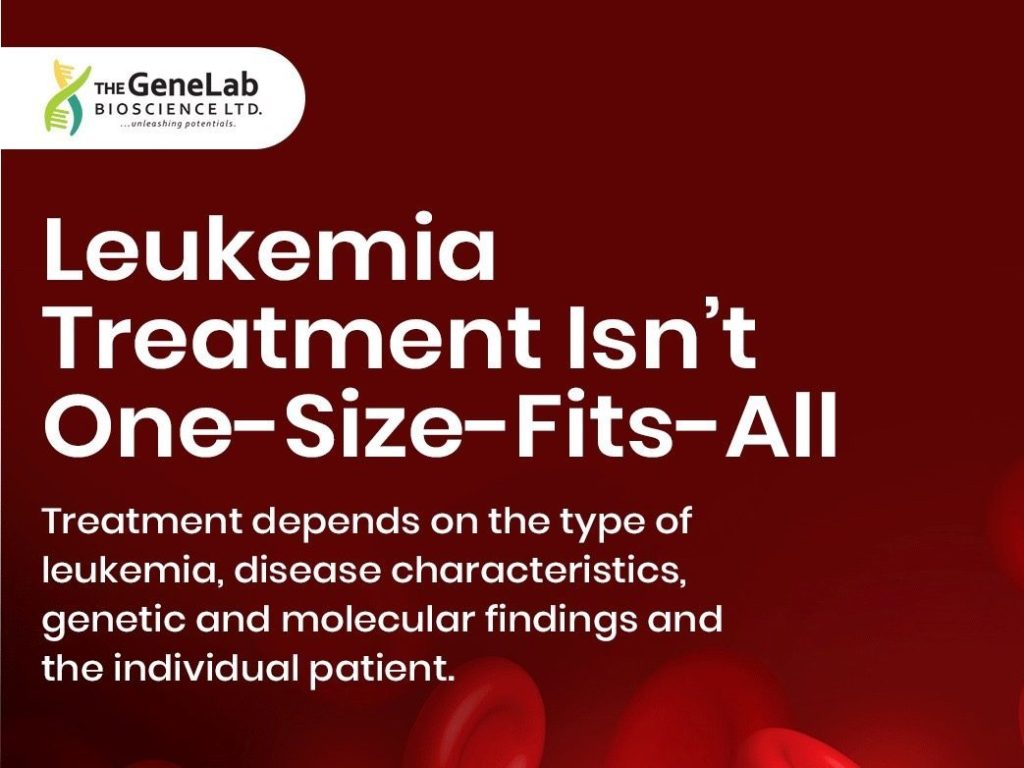
Leukaemia Is Not A One-Size-Fits-All Disease.
One of the most important things to understand about leukaemia is that there is no single treatment approach that is suitable for every patient. A diagnosis may need to go beyond identifying leukaemia. The specific subtype, cellular characteristics (that is where epigenetics comes in) can all influence clinical decision-making.
This is why precision medicine is increasingly important in haematological cancers. By combining conventional laboratory findings with immunophenotyping, cytogenetic and molecular information, healthcare teams can obtain a more detailed picture of the disease.
Can Leukaemia Be Treated?
Yes. Many forms of leukaemia can be treated and treatment options continue to develop in recent times. However, treatment depends on the specific type and characteristics of the disease.
Depending on the diagnosis, treatment may involve chemotherapy, targeted medicines, immunotherapy, stem cell transplantation and other approaches. Some forms of leukaemia respond very well to treatment, while others require more intensive or long-term management. The important point is that treatment decisions should follow a confirmed diagnosis and appropriate clinical assessment.
For enquiries about our diagnostic and epigenetic testing services, contact The GeneLab Bioscience today.