


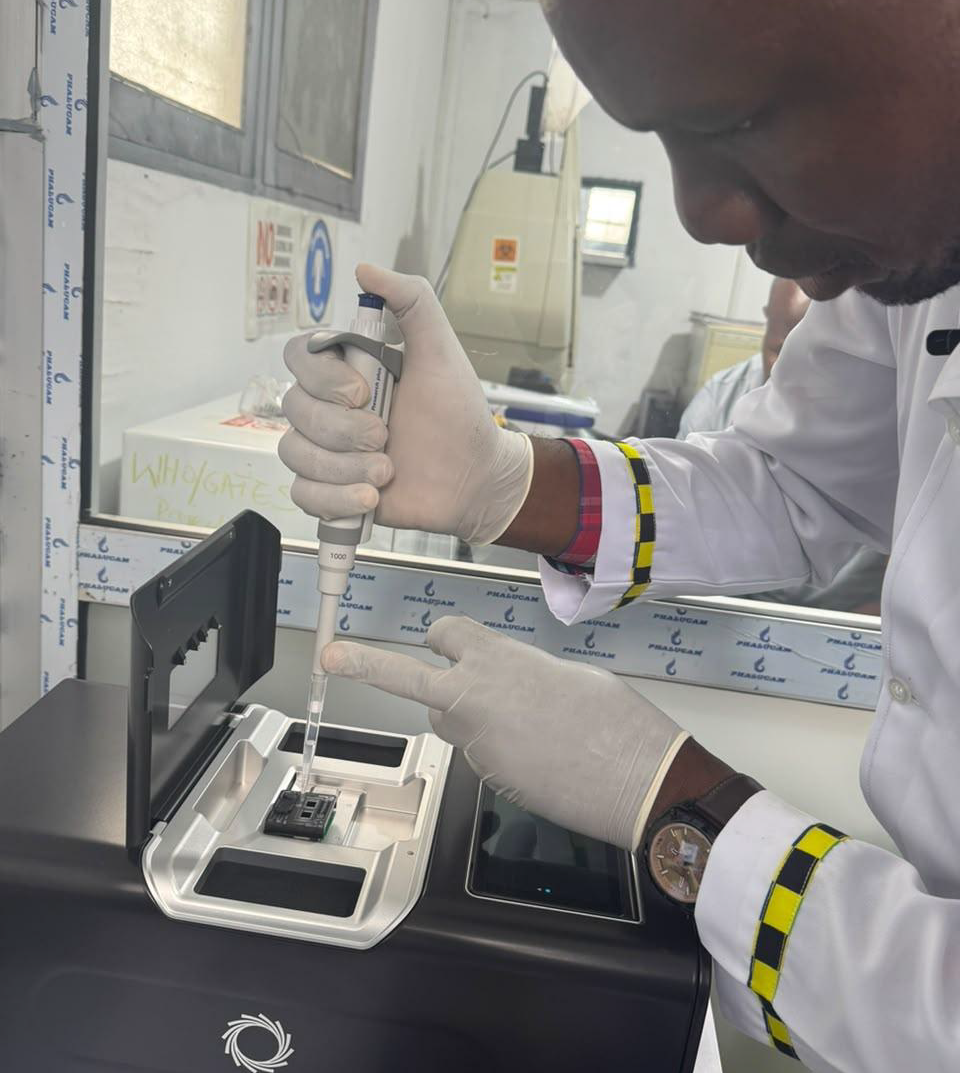
Hands-on installation, sequencing training and laboratory readiness assessments at the Biotechnology Center of the University of Yaoundé I and the Centre de Recherche sur les Maladies Infectieuses (CRID).
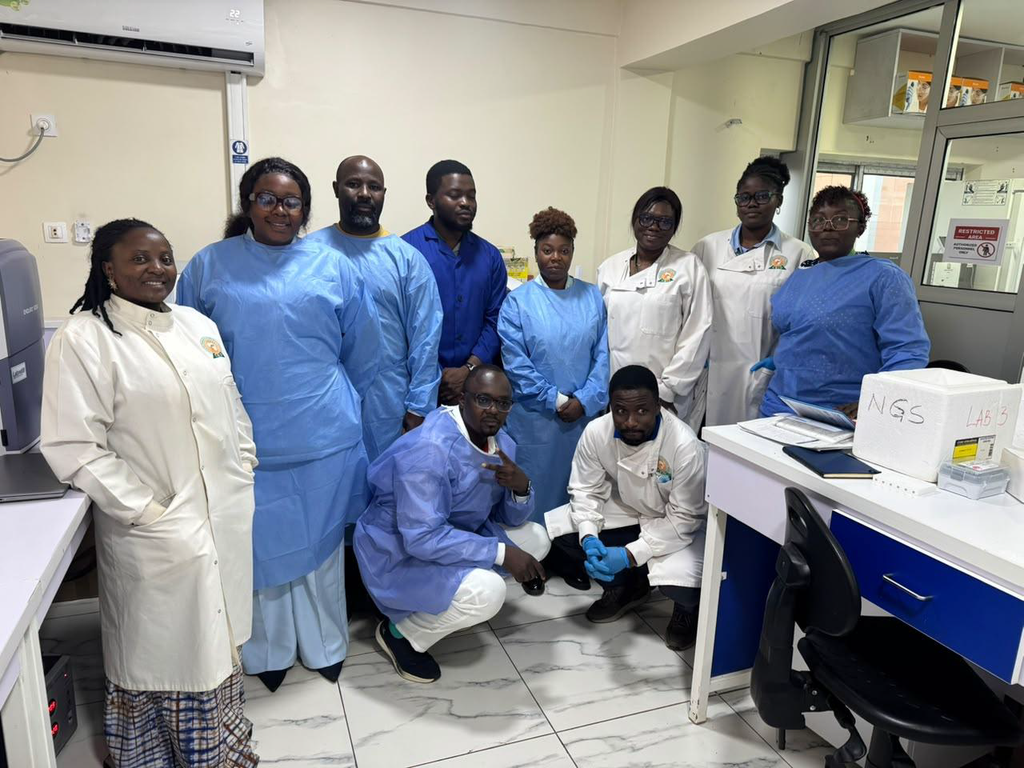
We recently visited two research institutions in Yaoundé, Cameroon, to install Oxford Nanopore sequencing equipment, provide hands-on training for laboratory personnel and assess the technical readiness of a proposed installation site.
The visit brought together the technical team and researchers to work through key steps in the sequencing workflow, from system setup and library preparation to flow cell loading and sequencing run initiation.
The goal was to help both institutions develop a stronger understanding of the technology and prepare their teams to incorporate nanopore sequencing into their research activities.
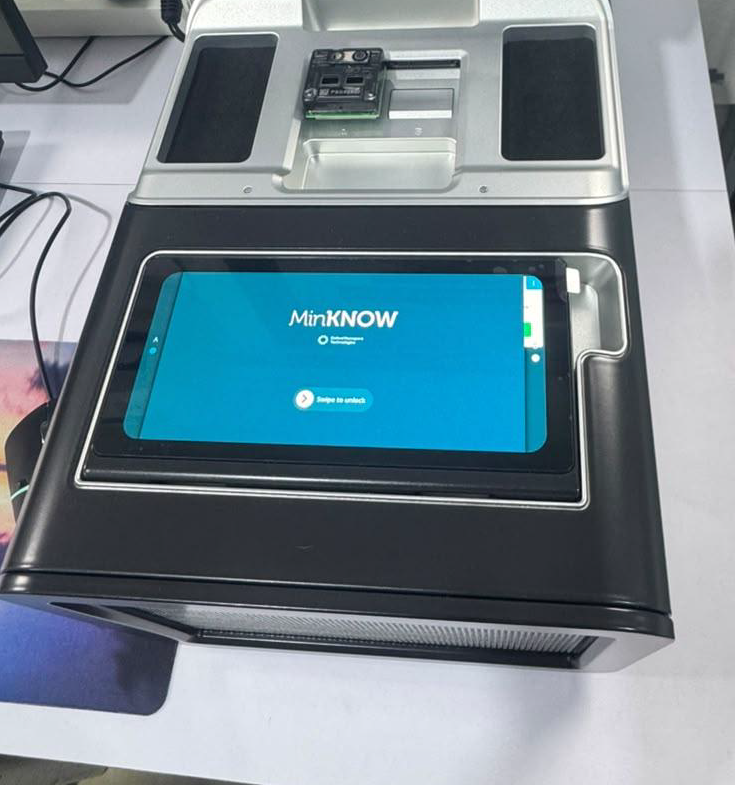
Installation at the Biotechnology Center, University of Yaoundé I.
System installation
Successful Installation and setup of the Oxford Nanopore sequencing device, including hardware configuration, system connections and initial operational checks, facilitated by Mrs. Esther Amaoo our Technical Sales Specialist, working alongside laboratory head; Mr Charles Kayuki and his laboratory assistants.
Flow cell checks and software updates.
Technical inspection of PromethION (Prom) flow cell packs, verification of system components and software updates to ensure the sequencing platform was properly configured, operationally ready and prepared for subsequent sequencing activities.
Hands-on library preparation training
Practical training on the library preparation workflow using the Ligation Sequencing Kit protocol, introducing laboratory personnel to key preparation steps, protocol requirements and techniques for preparing sequencing-ready libraries.
Sequencing run setup
Practical guidance on preparing sequencing libraries and setting up a sequencing run, helping laboratory personnel develop familiarity with the key steps involved in nanopore sequencing.
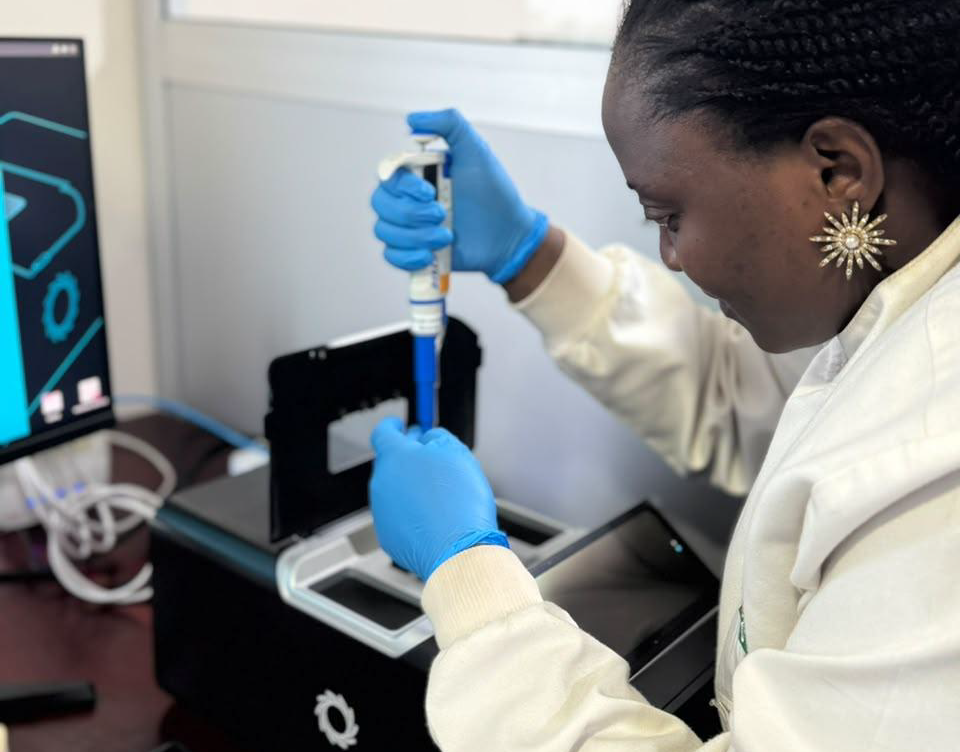
Hands-on Training at the Centre for Research in Infectious Diseases (CRID).
- Laboratory readiness assessment: Initial assessment of CRID’s proposed P2I installation site, including checks of electrical wiring, cable connections and laboratory facilities to ensure the site is ready for equipment installation and operation.
- Training introduction and orientation introduction to the training programme, led by Mrs Claudine Anamoh, our director (Central Africa) followed by an overview of the planned activities and the key objectives of the sequencing training.
- Theoretical sequencing training: Five presentation sessions covering essential concepts and key stages of the nanopore sequencing workflow, preparing laboratory personnel for the practical training.
- Hands-on flow cell training: Practical demonstrations and guided training on how to prime and load a flow cell, helping participants apply the concepts learned and understand the steps involved in preparing the sequencing system.
Library Preparation and Sequencing Run.
The training continued with library preparation using samples provided by the CRID laboratory. The team used the Native Barcoding Kit protocol using ligation chemistry, giving participants practical experience with preparing their own samples for sequencing.
The laboratory personnel were also trained on calculating the number of samples suitable for a flow cell and understanding when to stop a sequencing run. These considerations are important for planning experiments and managing sequencing resources effectively.
Following library preparation, the sequencing run was initiated. At the time of observation, the system had reached approximately 80% pore occupancy. The session progressed well, with good coordination between the technical team and the laboratory personnel.
Key Activities Covered During The Visit.
System installation and preparation
- Installation of the sequencing device at the Biotechnology Center.
- Flow cell checks on PromethION flow cell packs.
- Software updates and system preparation.
Library preparation and sequencing
- Training using the Ligation Sequencing Kit protocol at the Biotechnology Center.
- Training using the Native Barcoding Kit protocol at CRID.
- Practical guidance on flow cell priming and loading.
- Sequencing run setup and initiation.
Laboratory readiness and user training
- Preliminary assessment of CRID’s proposed P2I installation site.
- Review of wiring and cable connections.
- Guidance on sample numbers per flow cell and when to stop a run.
- Hands-on training tailored to the participating laboratory teams.
This visit reinforced the importance of combining equipment installation with practical training and technical assessment, building familiarity with nanopore sequencing workflows. Through these activities, we aim to support reliable sequencing workflows, strengthen local laboratory capacity, and build lasting technical and commercial collaborations with research institutions in Cameroon.