


At The GeneLab Bioscience, we believe that scientific progression goes beyond the laboratory. It is inspired by continuous learning and staying up to date with the latest innovations shaping global healthcare. As part of our mission and vision for development, we actively encourage our team members to attend both national and international conferences and workshops, including events that involve training to expand their knowledge and skills to strengthen our ability to deliver cutting-edge molecular diagnostics and research solutions.
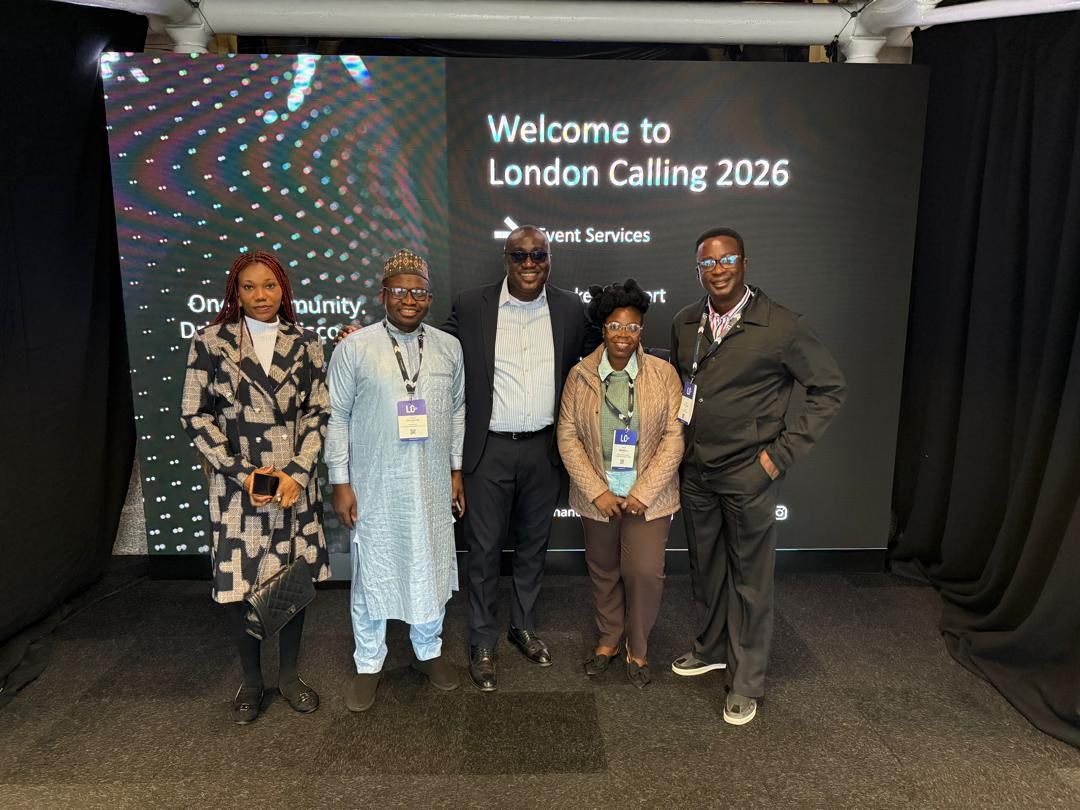
Members of our Oxford Nanopore Technologies team attended London Calling 2026 at Old Billingsgate in London. The event brought together a diverse community of researchers, scientists, clinicians, students, channel partners and Oxford Nanopore users from around the world, all coming together to share knowledge and engage with advances in genomics and sequencing technologies.
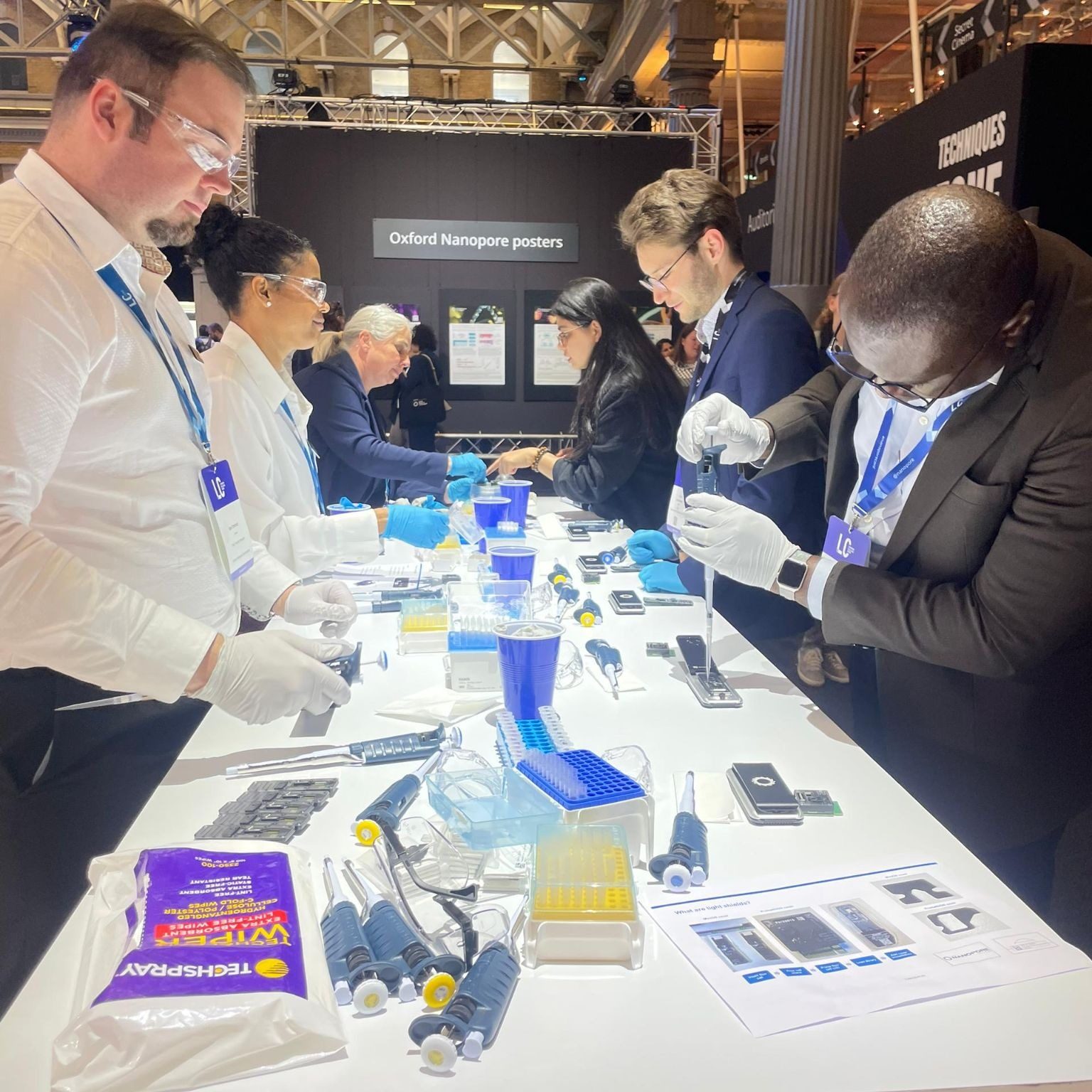
London Calling is Europe’s largest nanopore sequencing community event and a global platform for showcasing breakthroughs in genomics research and sequencing technologies. It provides an environment where ideas are exchanged, collaborations are formed, hands-on learning takes place and emerging technologies are demonstrated.
A Standout Session in Advancing Pediatric Cancer Research.
Among the many inspiring presentations one session stood out in particular in the Blondie Breakout Room. The presentation: “Rapid and Accurate Childhood Cancer Diagnosis with Nanopore Long-Read RNA Sequencing.” was delivered by Sandy Fong, a Senior Bioinformatician at the SickKids Research Institute, Canada. The session explained how long-read RNA sequencing can improve the molecular diagnosis of childhood cancers by accurately identifying complex genetic alterations, thereby supporting faster and more precise clinical decision-making.
In Nigeria, there is the potential for genomic medicine in improving pediatric cancer research, diagnostics and healthcare outcomes. Adopting long-read RNA sequencing methodologies could enhance research into childhood leukemia and other pediatric tumors.
We have had the opportunity to contribute to leukemia research and the insights gained from London Calling 2026 have further strengthened our molecular genomics capabilities. As we continue to expand our expertise in Oxford Nanopore sequencing, we are well positioned to translate these global scientific advancements into practical solutions that improve research, diagnostics and healthcare outcomes in West Africa.
Learning That Translates Into Impact.
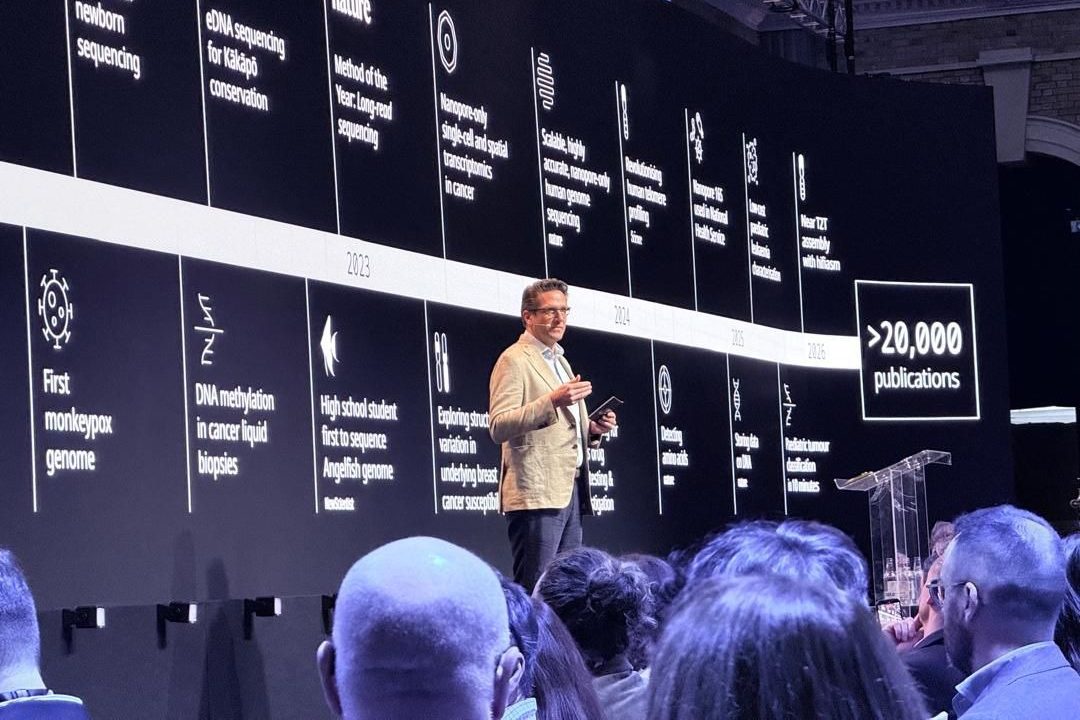
One of the conference messages that resonated throughout the session was: “The most important advances in science are not the moments of discovery; instead, they are the moments when those discoveries begin to ripple outwards, making it possible for more people, in more settings and across more areas to use those discoveries.” One of the greatest benefits of attending London Calling 2026 was the practical knowledge gained from the scientific sessions and technical workshops.
Additionally, there were discussions on tuberculosis research that were particularly relevant to public health in Nigeria, where TB continues to pose a significant healthcare challenge. Learning about emerging sequencing approaches for pathogen detection, surveillance, and genomic analysis provides valuable insights that could support future research and strengthen disease monitoring efforts. On this foundation, we have been involved in tuberculosis sequencing and bioinformatics analysis for drug resistance detection. The knowledge gained from London Calling 2026 will further reinforce our existing expertise while introducing innovative methodologies and workflows that can enhance our research capabilities for combating tuberculosis in Nigeria.
The conference also introduced several laboratory techniques and workflows that hold great promise for implementation at The GeneLab Bioscience. These include:
- RNA sequencing workflows for leukemia research.
- Improved extraction methods for wastewater samples to support environmental surveillance (complementing our research collaborations with partner organizations on soil-sample-based-research).
- Advanced sequencing strategies that can enhance molecular diagnostics and genomic research.
Interested in starting / developing your project, exploring a research collaboration? Contact The Genelab Bioscience today to learn more about our genomic sequencing services, training opportunities and research partnerships.