


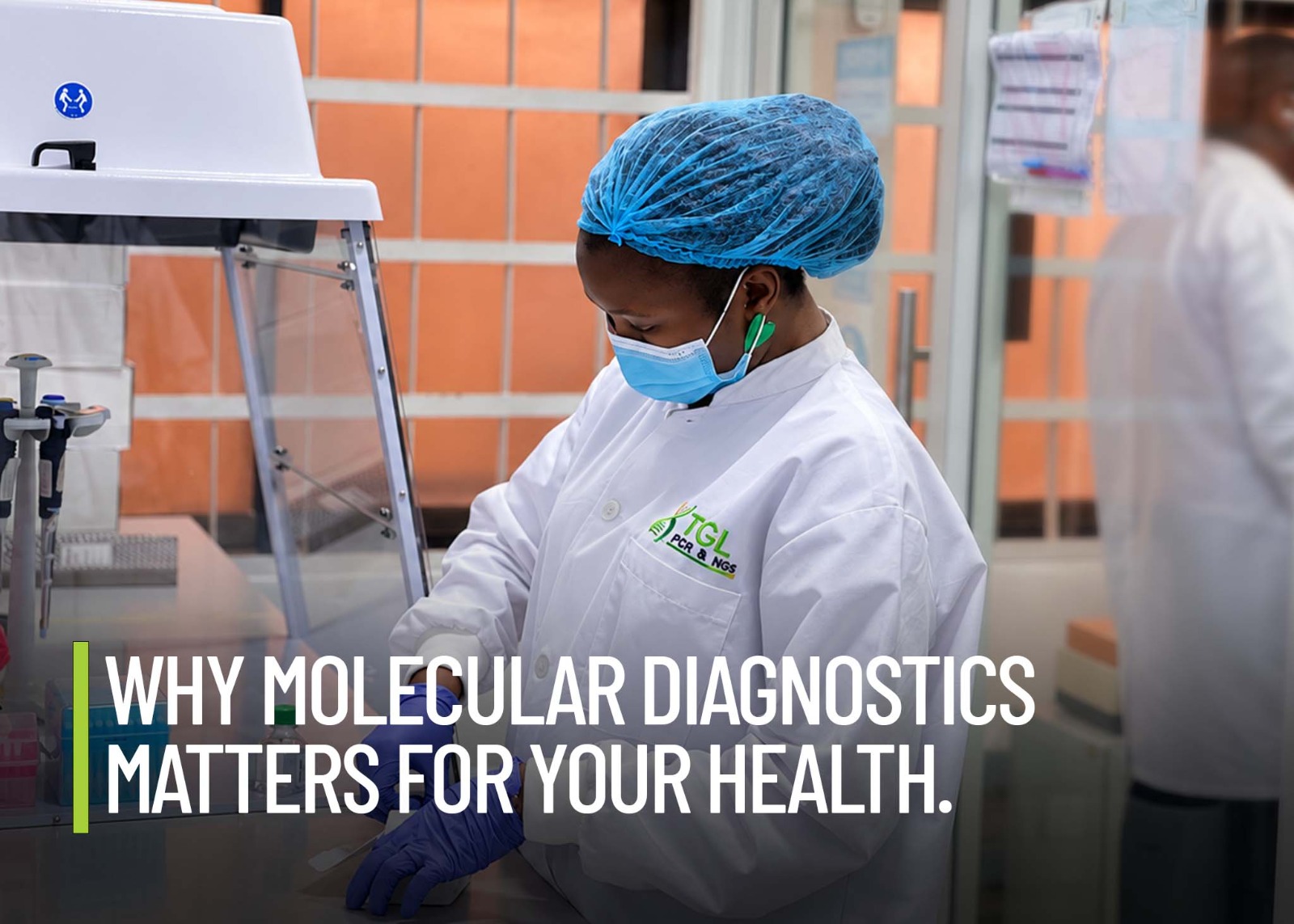
The future of healthcare is becoming more personalized and it starts with understanding our genetic information.
Healthcare is evolving past the traditional methods of identifying diseases. Today, advanced biotechnology makes it possible to investigate diseases at the molecular level, providing detailed information on what is happening inside the body. For example, scientists can use genetic testing to identify mutations responsible for inherited diseases, while molecular techniques can help detect cancer at an early stage and guide the selection of personalized treatments. At the forefront of this transformation, we are a biotechnology company leveraging cutting-edge laboratory technology to advance molecular diagnostics, cancer research, sequencing and bioinformatics.
We provide services and support in life-science laboratory setup, molecular testing, genomics, cancer research and related biotechnology fields. Through advanced sequencing technologies and molecular laboratory solutions, we contribute to improving diagnostic capabilities and expanding access to modern biotechnology across Africa.
But what exactly is molecular diagnostics and why does it matter for your health?
Molecular diagnostics is a branch of laboratory medicine that examines biological molecules such as DNA and RNA, to identify or investigate diseases. Molecular testing can identify genetic changes linked to certain cancers, detect infectious organisms and investigate inherited genetic conditions using samples such as blood, saliva, urine, tissue biopsies, sputum andswabs. Its greatest advantage is specificity, as it can provide more detailed information about the biological cause of a condition.
Common Molecular Diagnostic Techniques.
Modern molecular diagnostics rely on several advanced laboratory techniques. Two important techniques include:
Polymerase Chain Reaction (PCR) is a technique used to amplify specific DNA sequences, producing millions of copies of a targeted genetic region for analysis. This makes it easier to detect genetic material, including sequences associated with infectious diseases and genetic conditions.
PCR is useful in infectious disease diagnosis and genetic testing because it can detect specific genetic targets even when they are present in relatively small quantities.
Next-Generation Sequencing (NGS) represents a major advancement in molecular diagnostics. It allows researchers and laboratory professionals to sequence millions of DNA fragments simultaneously. Explore our NGS devices and products.
Our Molecular Diagnostic and Genetic Testing Services.
At The GeneLab Bioscience, we offer various tests that involve sequencing and bioinformatics such as
- Complete Female Prognostic Biomarker Screening
- Complete Male Prognostic Biomarker Screening
- OncoRisk
- Pharmacogenomic screening
- Preimplantation Genetic Testing for Aneuploidy (PGT-A)
- Preimplantation Genetic Testing for Monogenic Conditions (PGT-M)
- Whole Genome Sequencing and more!
Why Is Molecular Diagnostics Important in Healthcare?
- Supporting Early Disease Detection.
Early disease detection is essential because it can improve the chances of successful treatment and reduce complications associated with delayed diagnosis.
Molecular diagnostics can identify specific genetic materials or molecular changes associated with certain diseases. In infectious disease testing, for example, molecular methods can detect pathogen DNA or RNA,sometimes before symptoms develop or become noticeable.
- Improving Cancer Diagnosis and Treatment.
Cancer develops through complex biological changes, including genetic alterations that influence how cells grow and multiply. Molecular diagnostics helps investigate these alterations, providing information that can support tumour classification and identify biomarkers relevant to treatment.
- Supporting Personalized Treatment Plans.
Not everyone responds to medication in the same way. Genetic differences can influence how the body processes and responds to certain drugs. We offer pharmacogenomic testing that examines genetic variations that may affect medication response, helping healthcare professionals make more informed decisions about drug selection and dosage where clinically appropriate.
Can DNA Analysis Predict Whether an Infection Will Respond to Treatment?
Molecular diagnostics is also important in investigating antimicrobial resistance. At The GeneLab Bioscience, we conducted a Mycobacterium tuberculosis sequencing and bioinformatics analysis for drug resistance detection. The analysis examined resistance-associated genes and identified no mutations in the resistance-related genetic regions. The findings supported the classification of the investigated TB strain as drug-susceptible rather than drug-resistant, showing how sequencing and bioinformatics can provide useful genetic evidence to support infectious disease research and treatment decisions.
Your Health Deserves a More Informed Approach.
With molecular diagnostics, genetic testing, sequencing and bioinformatics, we can gain deeper insights into disease mechanisms, support more accurate diagnoses and contribute to more personalized healthcare decisions. Take the next step towards understanding the science behind your health. Explore our molecular diagnostic services, discover our advanced sequencing solutions or connect with our team to learn how our biotechnology services can support your healthcare or research needs.
Take the Next Step Towards More Informed Healthcare.
We are committed to advancing personalized healthcare through innovative molecular diagnostic solutions, genomics and bioinformatics. Explore our molecular diagnostic and genetic testing solutions.