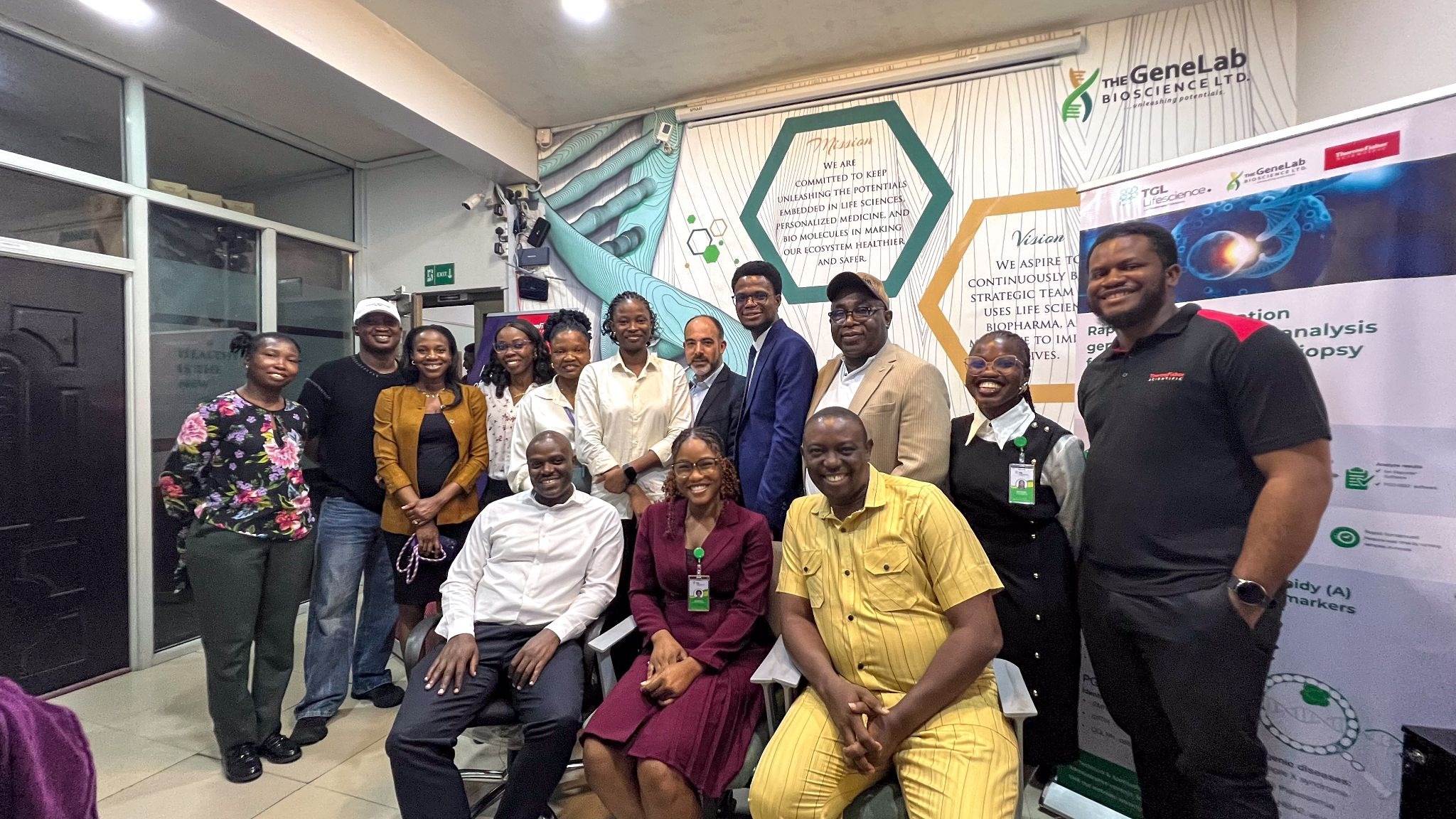
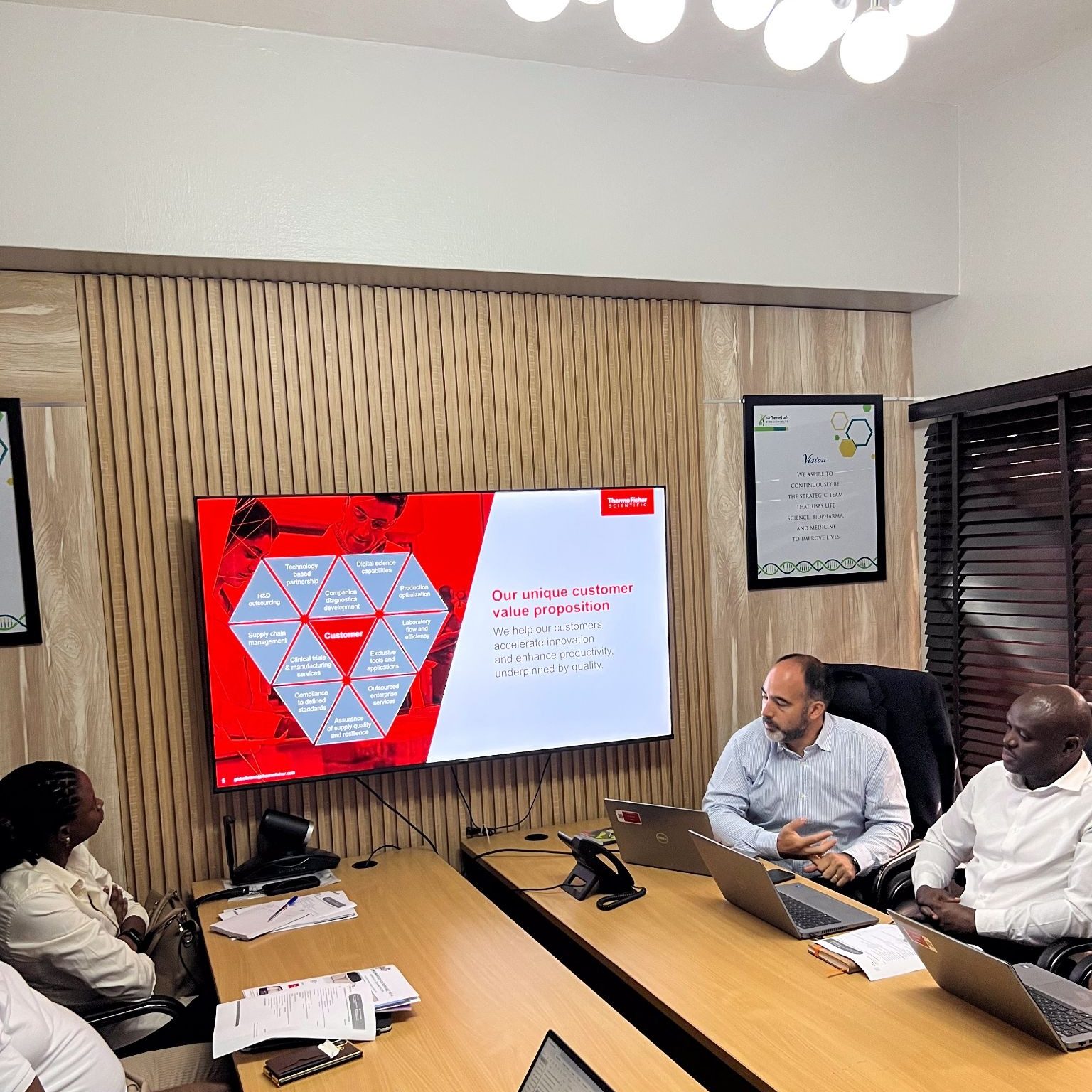
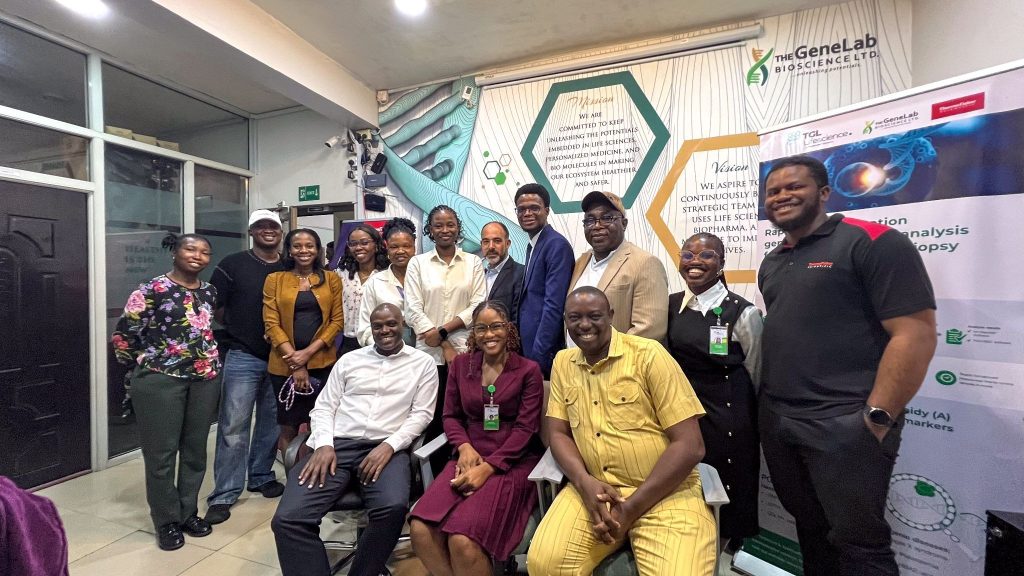
Understanding what a technology can do in reproductive health, both in theory and in practical workflow is becoming increasingly important. We recently hosted a practical demonstration of the Ion ReproSeq™ PGT-A workflow, in partnership with Thermo Fisher Scientific, bringing clinical and technical expertise together, creating opportunities to explore emerging technologies, ask meaningful questions and build the expertise needed to advance reproductive health research.
We see capacity building as an essential part of advancing laboratory science, as it is about creating opportunities for researchers, scientists, embryologists and laboratory professionals to engage with emerging technologies, ask technical questions and develop a deeper understanding of how genomic workflows can be applied to PGTA.
Understanding PGT-A and the Role of Genomic Technology.
Preimplantation genetic testing for aneuploidy (PGT-A) identifies preimplantation embryos with a normal chromosome complement (euploid) during in vitro fertilisation (IVF). The objective is to identify chromosomal abnormalities, including whole-chromosome aneuploidies and certain chromosome-level copy-number changes.
The Ion ReproSeq™ PGS workflow uses next-generation sequencing (NGS) to analyse genetic material from preimplantation embryo biopsy samples. Understanding the science behind these analyses is only one part of this demonstration, equally important is understanding the workflow from single-tube library prep, automated template preparation, and specialized data analysis.
NGS Workflow for PGT-A Using Ion Chef™ and Ion GeneStudio™ S5.
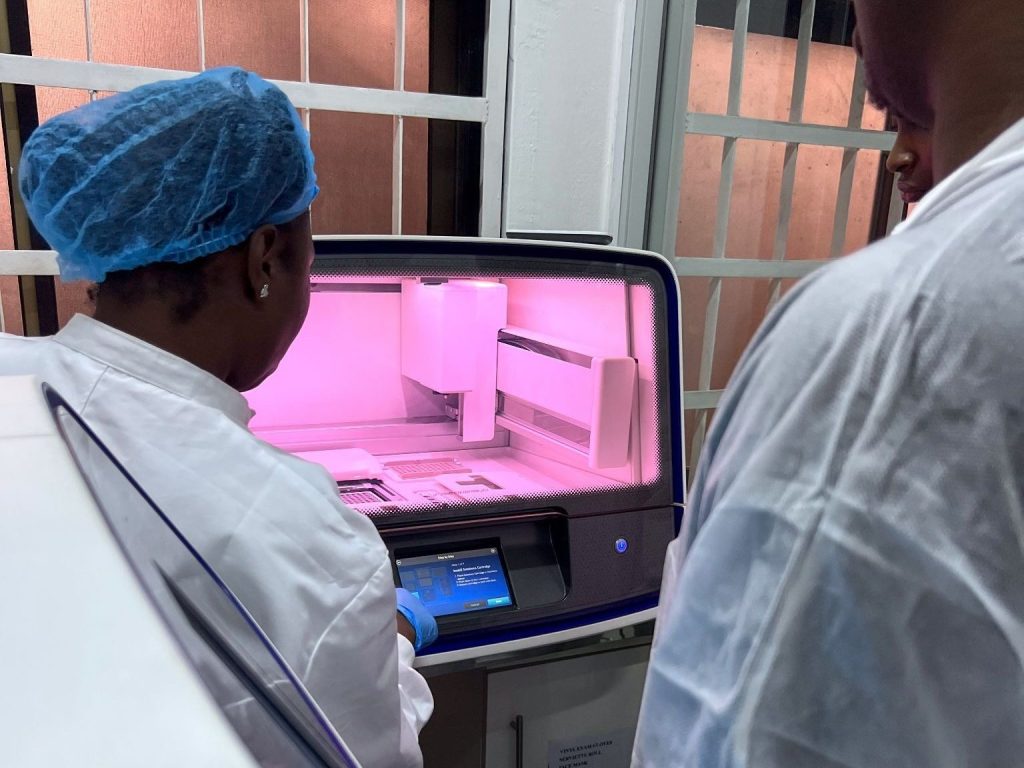
During the demonstration, participants were introduced to the Ion Chef™ System and Ion GeneStudio™ S5 System.
The Ion Chef™ System is designed to automate key stages of the NGS workflow, including library preparation, template preparation and chip loading, thereby simplifying the steps and reduce hands-on intervention.
The Ion GeneStudio™ S5 System is a semiconductor-based NGS platform designed for targeted sequencing applications. When paired with the Ion Chef™ System, it provides an integrated workflow spanning preparation through sequencing and analysis.
For participants, this provided an opportunity to move beyond theoretical presentations and gain a clearer view of how an NGS-based PGT-A workflow can be done in the laboratory.
Practical Understanding
Successful technology adoption requires more than access to equipment, it requires knowledge, skilled personnel, appropriate workflows and informed interpretation.The most valuable part of a technology demonstration is often the conversation around it. The session involved technical discussions, observations and questions about the application of genomic technologies within reproductive health research.
Building Capacity for the Future of Genomic Research.
As reproductive genomics continues to evolve, laboratories need opportunities to explore new technologies and understand where they may fit within their research environments. We are grateful to Thermo Fisher Scientific for the partnership and to all the professionals who participated in this demonstration.
For researchers, scientists and laboratory professionals interested in reproductive genomics, the future is not only about new technologies, it is about building the expertise to use them effectively.
Interested in joining a future demonstration or capacity-building session? We would be happy to have you join us.