


Cervical cancer screening plays an important role in identifying abnormal or precancerous changes in cervical cells at an early stage, when treatment is most effective and disease progression can be slowed down or reduced. Detecting these changes before symptoms appear significantly reduces cervical cancer incidence and related deaths, making screening a cornerstone of women’s preventive healthcare.
Annual cervical cancer screening is not recommended for persons at average risk. Instead, cytology testing is recommended every 3 years for persons aged 21–29 years. For persons aged 30–65 years, a cytology test every 3 years, an HPV test alone every 5 years, or a cytology test plus an HPV test (cotest) every 5 years is recommended. (https://www.cdc.gov/std/treatment-guidelines/hpv-cancer.htm). Screening may be discontinued after age 65 if previous test results have been consistently negative. This structured approach ensures timely intervention.
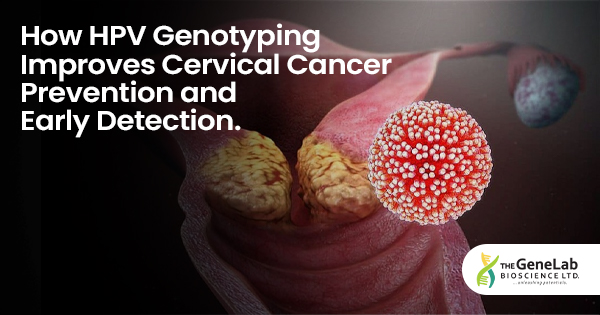
How HPV Genotyping Identifies Specific High-Risk Strains
HPV genotyping determines the strain an individual has in a cervical sample by detecting and analyzing the virus’s genetic material (DNA or RNA). Each HPV type has a unique genetic sequence, which allows laboratories to tell one strain apart from another.
This is important because infections involving high risk HPV strains are more likely to persist and carry a higher risk of developing cervical cancer. Genotyping also helps differentiate between temporary HPV infections and persistent infections that may require closer monitoring or treatment.
Low-risk HPV types, such as HPV 6 and HPV 11, usually cause conditions like warts genital warts (vulva, vagina, cervix, penis, scrotum, rectum and anus) while high-risk HPV types, including HPV 16, 18, 31, 33, and 45 can progress to cervical cancer if not detected and managed early.
Differences Between HPV Genotyping and Risk-Based Screening
HPV genotyping is a laboratory test that identifies the specific HPV types present in a sample. Providing precise scientific data using molecular diagnostic methods, which are essential for accurate HPV detection. Techniques such as PCR (Polymerase Chain Reaction) amplify small amounts of HPV DNA, making it possible to detect even low-level infections. Automated molecular platforms further enhance testing by reducing human error and delivering faster results. By identifying the exact HPV strains present, genotyping enables earlier and more accurate assessment of cancer risk.
Risk-based screening, on the other hand, uses individual risk factors such as age, medical history and previous screening outcomes to determine the most appropriate follow-up and screening schedule. Men and women with high-risk or persistent HPV infections can receive closer monitoring or early intervention, while those with low-risk or transient infections may continue routine screening. This personalised approach optimizes healthcare resources and ensures timely, appropriate care.
Optimizing Screening with Advanced Laboratory Capacity
At TheGeneLab Bioscience Limited, our advanced molecular platforms and diagnostic technologies help make cervical cancer screening more accurate, efficient and reliable. Our automated laboratory systems also enhance efficiency and consistency, delivering faster turnaround times and dependable results.
By precisely identifying high-risk HPV types, we ensure that individuals at higher risk receive timely follow-up, while those at lower risk avoid unnecessary procedures. This approach reduces costs, minimizes patient anxiety and improves overall health outcomes.
Cervical Cancer Prevention Measures
- HPV Vaccination from 9 years (due to early sexual activeness)
- Regular Cervical Cancer Screening
- HPV Genotyping and Risk-Based Screening
- Safe Sexual Practices
Take Charge of Cervical Cancer Prevention
Cervical cancer is preventable and taking proactive steps can make a life-saving difference. Regular screening, HPV vaccination and timely follow-up care are essential in reducing your risk. If you are unsure which test is right for you, seeking professional guidance is an important first step and we are here to guide you.
A great read and well detailed, thank you…