



In assisted reproductive technology, every embryo carries a unique genetic story. While an embryo may appear healthy under a microscope, its chromosomes can provide another layer of information that is not visible through morphology alone. Preimplantation Genetic Testing for Aneuploidy (PGT-A) is one approach used to assess the chromosomal status of embryos before a potential transfer.
At The GeneLab Bioscience, we carried out a PGT-A research workflow involving embryo samples, processed alongside positive and negative and blank controls. The research provided an opportunity to examine how genomic sequencing can be applied to embryo assessment while following a carefully controlled laboratory workflow.
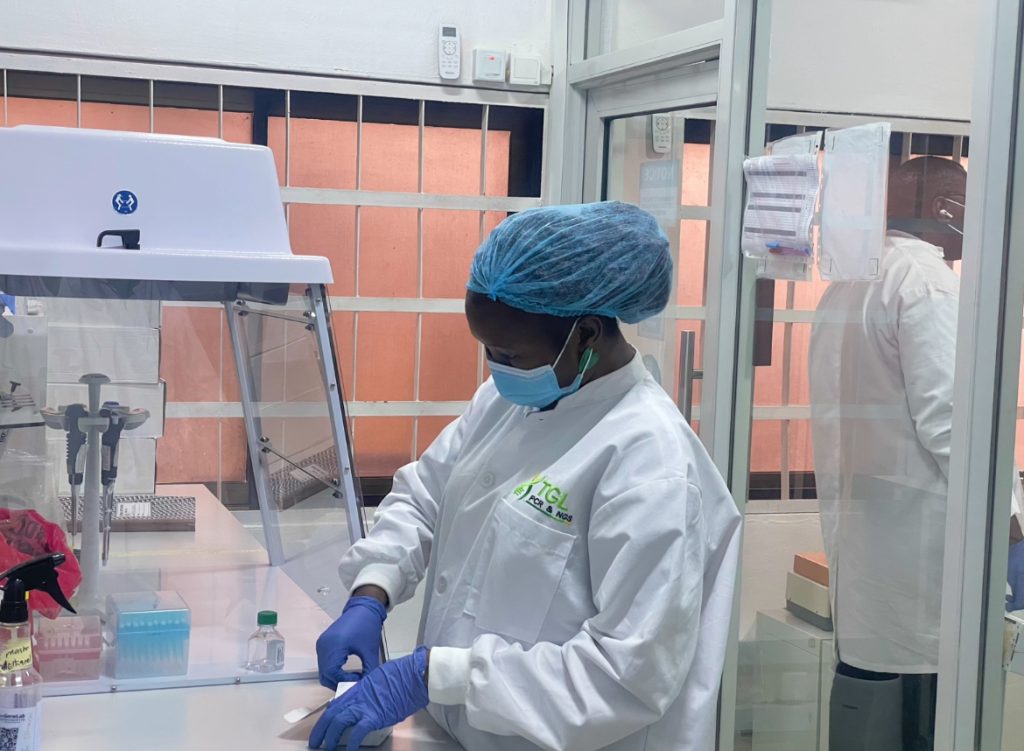
From Cells to Sequencing Libraries.
The process began with cell lysis, allowing genomic material to be released from the cells, amplification is then carried out to generate enough material for downstream analysis.
Following amplification, the DNA underwent purification and quantification. These stages help ensure that the material entering the sequencing workflow is suitable for further processing.
From there, the workflow becomes more interesting. The DNA is prepared for sequencing through a series of library preparation steps. End preparation modifies the DNA ends so they can interact appropriately with sequencing adapters. This is followed by relevant barcoding steps.
The final stages involve preparing and priming the Oxford Nanopore flow cell before the prepared library is introduced for sequencing.
Quality Matters at Every Step, PGT-A Done With Precision.
While each stage has a specific purpose, the workflow is more than a collection of individual laboratory procedures. It is a carefully connected process in which the quality of one stage can affect what happens at the next. Positive, negative and blank controls were processed alongside the embryo samples to help monitor workflow performance and support confidence in the sequencing results.
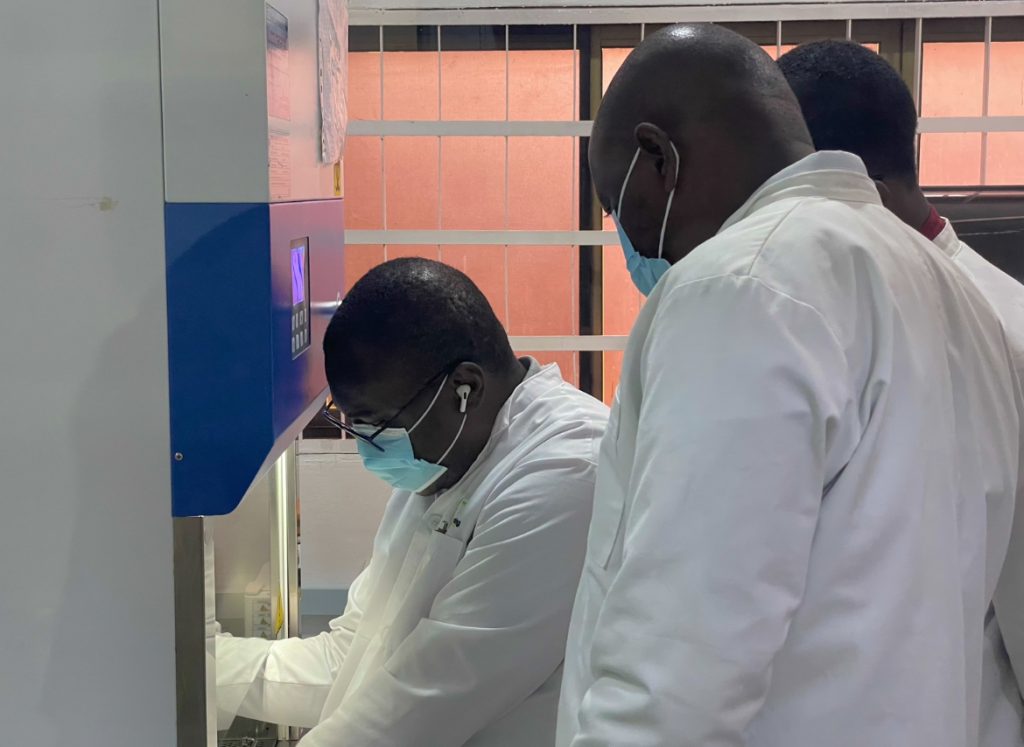
Where the Data Begins to Tell the Story.
Once sequencing is completed, the resulting data can be analysed to assess chromosome representation within the analysed samples. This is where the molecular information begins to provide insight into the chromosomal composition of each embryo.
For PGT-A, one of the major questions is whether an embryo has the expected chromosome complement (euploid) or whether there are chromosome abnormalities (aneuploidy).
Depending on the sequencing data, chromosome representation can also provide information about the sex chromosomes, with patterns consistent with XX or XY chromosome complements.The analysis may also identify patterns consistent with mosaicism, where different chromosome complements are represented within the analysed material.
These capabilities demonstrate how genomic assessment provides information that cannot be determined simply by observing embryo morphology. However, PGT-A results are not a guarantee of pregnancy or a prediction of a child’s future health. Clinical interpretation requires qualified professionals and must be considered alongside embryology, reproductive history and other relevant clinical information.
For further details or enquiry on booking this test, contact us